
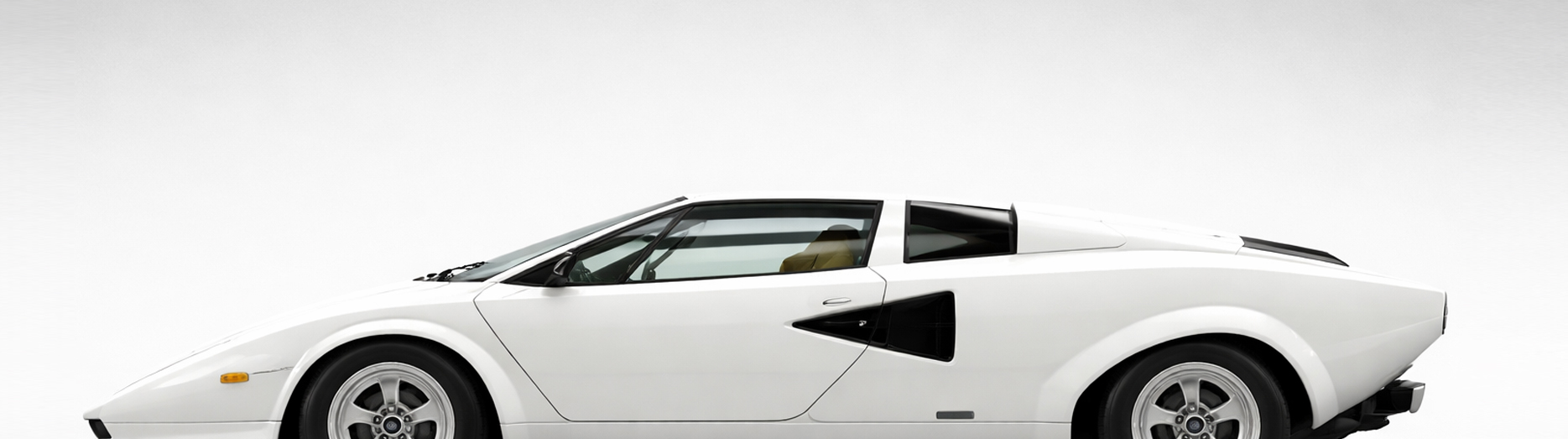
The sports car is an easy thing to criticise. Too expensive, too cramped, too impractical, hardly usable to its full potential in everyday life — and all too often read as a rolling pose.
And yet it would be too simple to dismiss it merely as a status symbol. Few other products show so clearly that things are not only used, but also read in very different ways — and that even the irrational can have its justification.
The world of products is not only a world of functions, but also a world of meanings: concepts, images, attributions, cultural reflexes. Modern myths.
The sports car, as we all know, is a carrier of meaning. It stands for freedom, sovereignty and performance. It does not merely say: I can afford this. It also says: I am this kind of person.
But that can quickly tip over. What is meant as strength may be read as insecurity. What is intended to signal confidence can begin to suggest its opposite: a demonstrative reassurance of one’s own importance, born out of uncertainty.
Products do not send unambiguous messages. They move through a cultural minefield. The same object can provoke admiration, irony, rejection or desire — depending on milieu, generation, context and formal language.
There is, however, another way of reading the sports car.
Perhaps this requires us to take the original meaning of the word sport more seriously again. Originally, sport did not simply mean physical exertion, but something that did not have to be merely useful: an activity pursued for its own sake. Out of pleasure, passion, cultivated interest.
In this sense, the sports car is not only a status symbol, but also an object of joie de vivre. An object that argues not primarily through purpose, but through intensity: through sound, proportion, tension, stance and precision. Through the pleasure of form.
Good design therefore never works only with technical functions. It also works with meanings: with what a product promises before it is used, and with what it activates culturally. Even in capital goods.
This is not about manipulation, but about respect: about taking people seriously, understanding their perception, and designing products in such a way that they truly reach them.
This is where part of my task as a designer lies:
I make such layers of meaning visible, structure them, and translate them into design guidelines. I read the cultural environment of a product, recognise opportunities and false notes, and help manufacturers position themselves confidently in a highly charged market.
Because a product must not only function. It must also mean what it is meant to mean.