
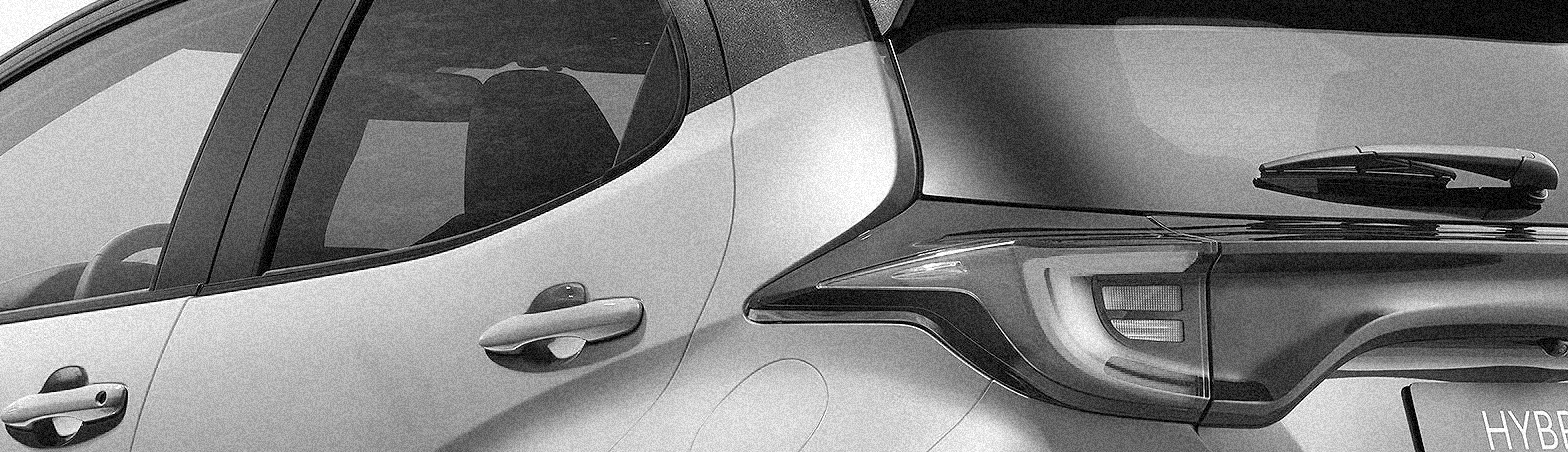
All hell is breaking loose in the car world! Car design is out of control. We are in a kind of car rococo. How did it come to this?
Gone are the days when you could formally describe a car in a coherent way. The front and rear (still recognisable as such) had brand-specific elements. The bumpers actually protected. The classes were clearly organised (3-series, 5-series, 6-series, 7-series), and you got comprehensible added value in the respective expansion stages.
In the 60s, a rendering drawing technique that had been developed was the best way to depict edges - the sheet metal was edged according to the drawing. In the 70s, there was more fabric, more hair, more free love - more sheet metal. In the 80s, the low computing power of the computer revolution only allowed for a rudimentary representation of the world and simple car geometries. In the 90s, computers mastered free forms of all kinds - often free of taste.
Design education boomed. It seems that a different designer was responsible for every 30 cm of a car, and each pursued their own idea. The Chinese copy everything and are getting faster and faster. They are now copying us before we have even started. The world is becoming more and more complex. Old structures are breaking down. Everything is feasible. There are no more rules.
Historians will one day see today's car design as an expression of an era of disorientation - similar to the exuberant playfulness of the Rococo period.
Now people are longing for clarity, reliable rules, structure and visual relief. Clearly identifiable products are considered to be of high quality. Less costs more.
Historically, rococo was followed by classicism (classics), historicism (retro) and later classic modernism. It is to be hoped that in the automotive future we can free ourselves from decadence and develop appropriate products for a clear spirit in the spirit of the ideals of Classic Modernism.