
Communication takes place on many levels. A value proposition can be stated – but will it be believed? And how can you ensure that someone truly engages with a product?
Gestures and postures are fundamental tools of human communication: the victory pose on the podium, the pointing finger, flexed muscles, a sprinter’s stance in the starting blocks – expressive, unambiguous, deeply rooted in our collective understanding.
We interpret what we perceive unconsciously – and physically. Narrow car headlights resemble slitted, aggressive eyes. Wide wheel arches evoke the muscular arms of a bodybuilder. A tripod stands with legs apart, conveying stability. A chaise longue appears casually thrown down – a symbol of relaxation. We instinctively empathise with objects – and we do so involuntarily. This is how emotional connections are formed. A product feels familiar – and that creates closeness and, in the case of positive signals, ultimately trust.
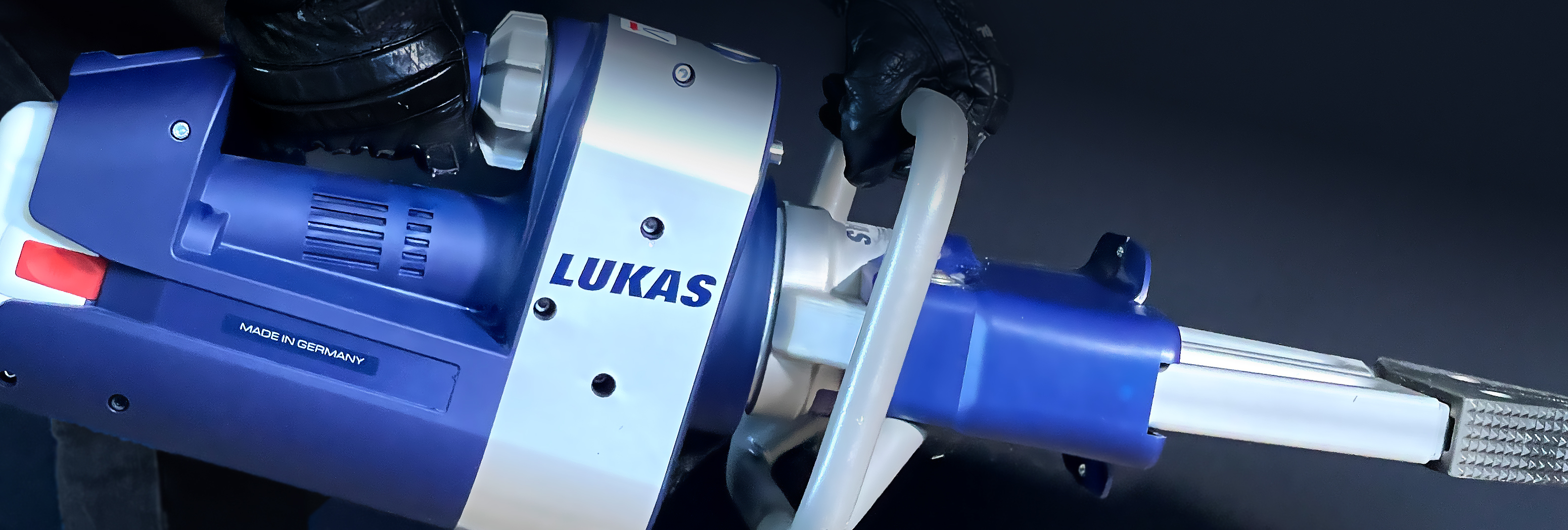
It is therefore wise to endow a product with this kind of expressive power – for example, through a gesture. In the case of a fire rescue device I designed, the form embodies a clear stance: “We go in where others run out.” The forward-leaning movement captures this message precisely. It fosters identification: active, brave, dynamic, competent.
Alongside technical and ergonomic functions and the communication of quality characteristics, this is an often underestimated but crucial factor: context becomes part of the product – and with it, the user too, who feels seen and acknowledged.
One more dimension – for a successful product.
Would you like to add a new dimension to your products.